|  | | Accounts are free. Join #retro on irc.fxnet.org, identify with NickServ and type !req. |
| |
|
|  | | |
| | #retro on irc.fxnet.org
6697 ssl · 6667 plain
modern + vintage clients welcome |
| |
|
| | | |
| | 3 people in #retro
okawari, synmuffin, thelounge76
nobody on the FTP
last upload: Archived Windows 3.0 - 11 ISO B... by archiveorg, 35d ago |
| as of 21:42 EST ·  |
|
|
| | | |
| | | releases | 2,186 | | last 24h | +0 | | online | 1.7 TB | | library | 1.4 TB | | members | 1 | | updated | 2026-11-18 21:42 |
|
|
|
| | | |
| |
| | 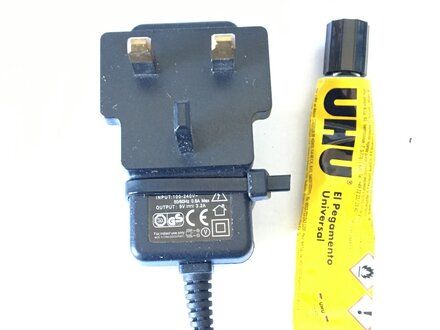
• First image shows a repaired AC/DC adaptor where the plastic housing has been opened and glued back together and tie-pull added for extra safety.
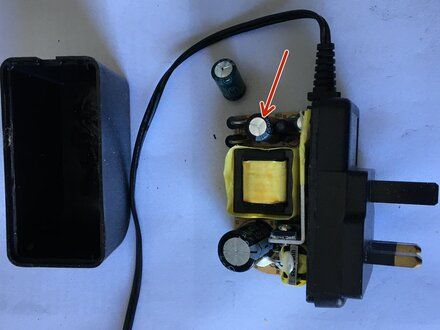
• Second image shows the adaptor housing split in two to reveal the printed circuit board (PCB). The PCB may be orientated in either direction. To split open the glued housing, place the adaptor in a vice or similar and squeeze the body with different positions and pressures, until you hear a glue crack (best wear safety specs).
• Most times the housing will fracture along the glued joint line, such that it can be safely glued back together. If the housing is otherwise damaged, it's not safe to continue with this repair.
• With the PCB exposed, look for any electrolytic capacitor that is bulged or leaking. In the image it was the separate green capacitor that was in the arrowed position and showed the top bulging with a leakage black spot in the middle of the top. Ensure there is no other damage eg blackened resistors, corroded areas etc, if present abort the repair.
• With a soldering iron and some added solder, extract the faulty capacitor.
• If you have a capacity or ESR meter, you can confirm that the extracted capacitor is out of specification eg mine showed 53uF not 1000uF and 53ohm not 0.1ohm.
• Replace the extracted capacitor with a good one. Note the polarity, the negative lead on the darker side normally printed on the PCB. You can take a good capacitor from an unwanted adaptor. Check it has the same capacitance and at least the same voltage which is printed on it. (Temperature rating is probably the same.)
• Glue the cover back on and maybe add a tie pull for extra safety. Hopefully, if like mine, it will now be working again.
|
|
|
| | | |
| | | Replacing a bulged electrolytic capacitor in the AC adaptor got it working again. |
|
|
| | | |
|




















